2 hr
Third Reich & Cold War Walking Tour
- Expert local guide
- Small group
- Skip-the-line access
- Free cancellation
Berlin Walking Tour Third Reich — Guided Historical Routes
Trace the rise and fall of Nazi Germany, step by documented step
Compare fares, pick the fit — all bookings are mobile-voucher and eligible for free cancellation where shown.
2 hr
3 hr
4 hr
A berlin walking tour third reich experience offers an essential lens into Germany's past, with options ranging from group-led historical journeys to exclusive private tours.
|
Top pick Public Group Tour Scheduled Walk |
Private Expert Tour Custom History | |
|---|---|---|
| Entrance fee | 0 EUR | 0 EUR |
| Duration | 2.5–4 hours | 2 hours |
| Group Size | 15–30 guests | Private (1–15 guests) |
| Meeting Point | Pariser Platz 1 | Pariser Platz 1 |
| Best for | First-time visitors | In-depth exploration |
| See tickets & prices |
Worth it for history-focused travelers
A berlin walking tour third reich delivers concentrated historical education that independent exploration rarely matches. The bookable options — Third Reich & Cold War Walking Tour, Third Reich and WWII Historical Walking Tour, and similar specialized routes — typically run €15–25 per person for 2.5–3.5 hours with expert guides who decode sites like the Reich Chancellery grounds, Gestapo headquarters remnants, and Nazi book burning memorial at Bebelplatz. You're paying for narrative cohesion: guides connect architecture, propaganda tactics, and resistance stories across the government quarter and memorial sites in a logical sequence. Most tours include Topography of Terror and Holocaust Memorial context that transforms these spaces from photo stops into understood historical landscapes. The value proposition works best for travelers who want curated interpretation rather than self-directed wandering — you gain perspective on Nazi consolidation of power, wartime destruction patterns, and Berlin's confrontation with its past within a focused timeframe.
Bottom line: Book one of the berlin walking tour third reich tickets if you want structured historical interpretation that independent visits can't replicate.
The Third Reich experience is best for understanding the city's darkest era, while the Cold War itinerary provides better perspective on the divided capital's struggle for freedom. Choosing a berlin walking tour third reich is ideal for those prioritizing 20th-century geopolitical origins.
|
Top pick Third Reich Tour |
Cold War Tour | |
|---|---|---|
| Primary Era Covered | 1933–1945 | 1945–1989 |
| Key Sites Visited | Reichstag and Bunker sites | Check-point Charlie and Wall remnants |
| Emotional Tone | Somber and reflective | Tense and triumphant |
| Typical Duration | 2.5–3 hours | 2–3 hours |
| Historical Depth | Concentrated on totalitarianism | Focused on ideological division |
| Berlin walking tour third reich tickets | Free entry | Free entry |
| See tickets & prices |
Verdict: Visitors seeking a berlin walking tour third reich tour benefit from contextualizing modern landmarks, whereas Cold War berlin walking tour third reich tours offer a complementary look at how the city healed from subsequent separation.
Hand-picked experiences loved by thousands of travelers
2.5 hours
Free Cancellation
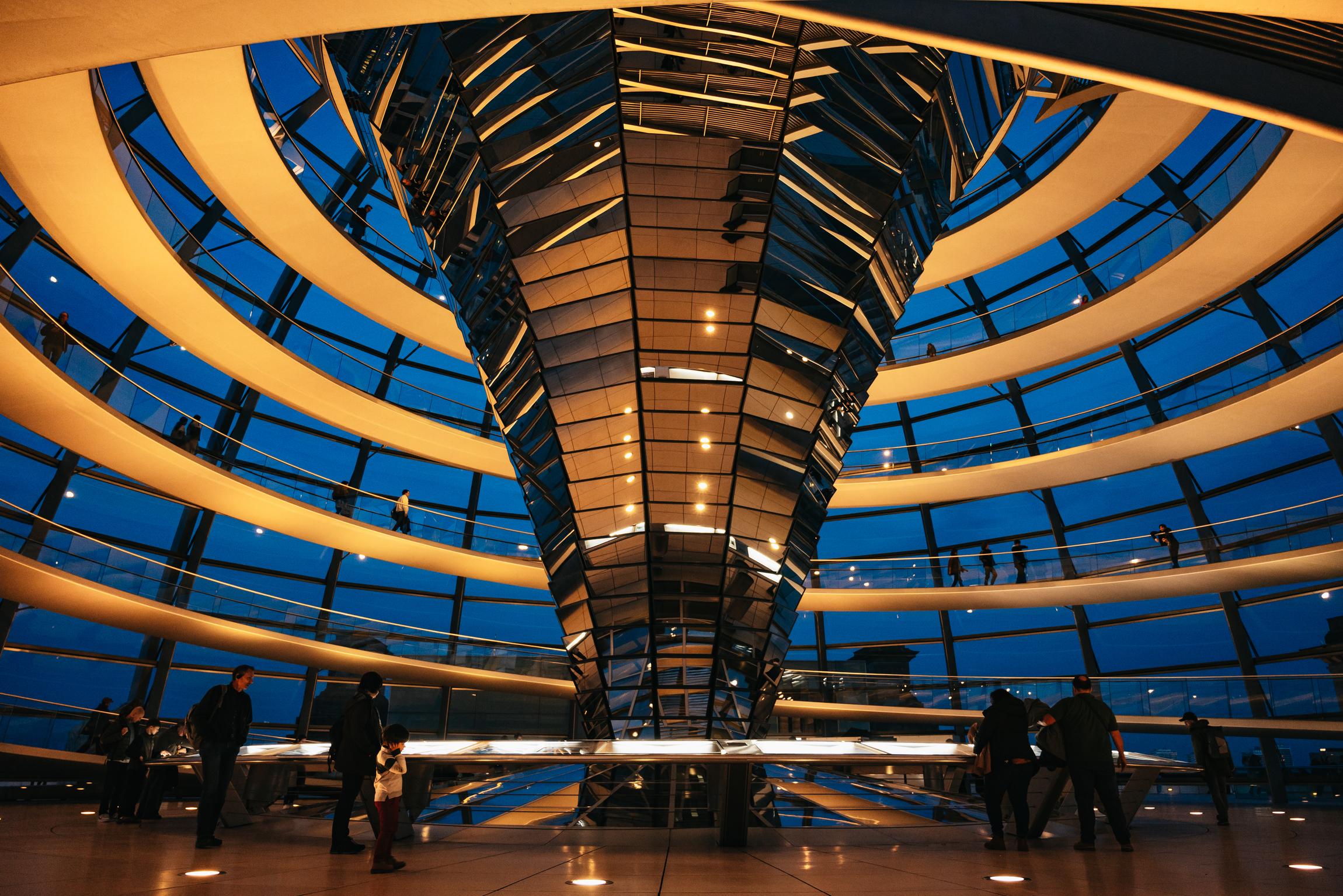
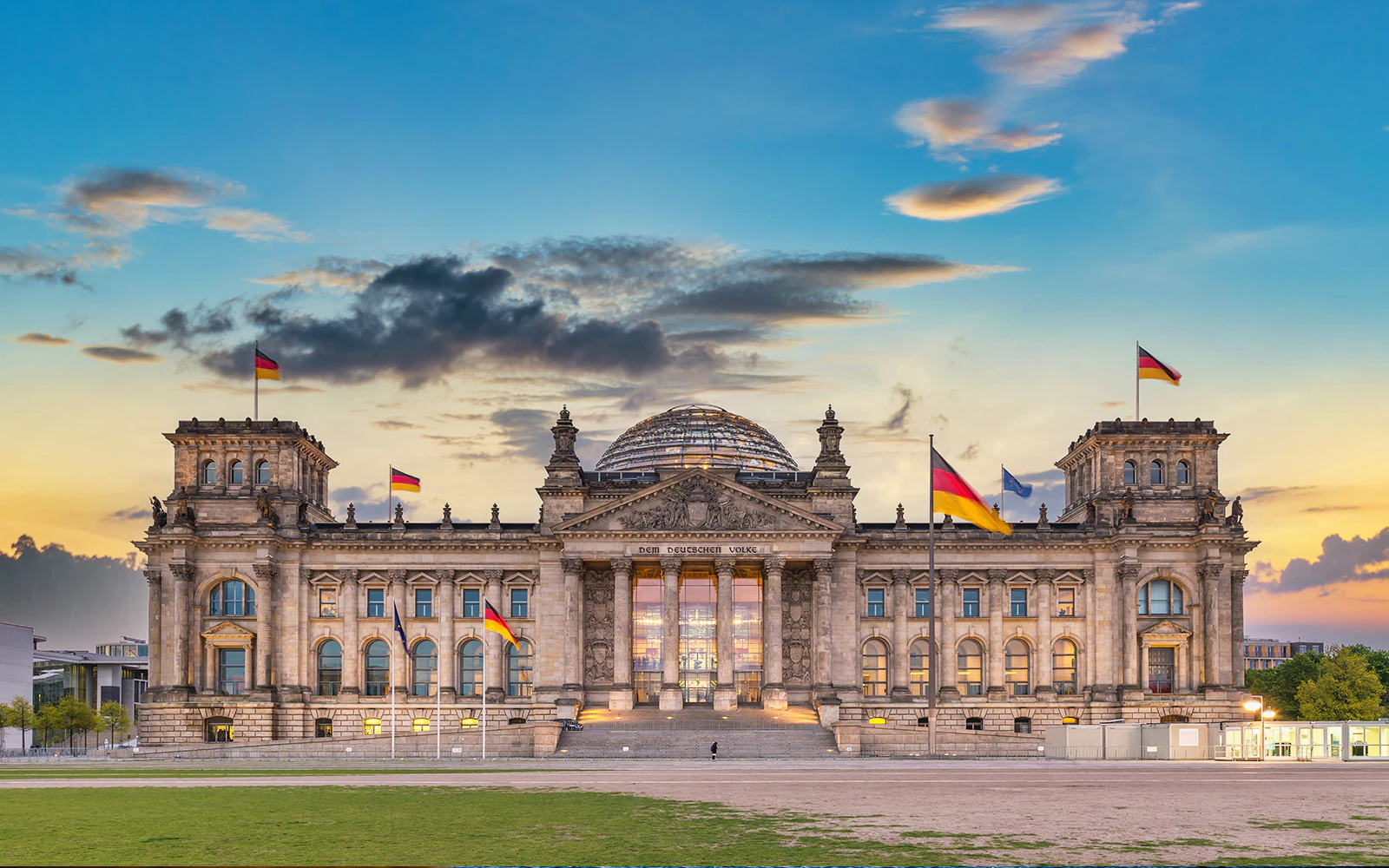
Explore Germany's parliament building, its iconic glass dome, and the historic government district
3 hours
Free Cancellation
Journey through Europe's most dramatic history on a relaxed 3-hour walk with expert local guides
2 hours
Free Cancellation
Explore the dark history of Nazi Germany through Berlin's most significant WWII landmarks and memorials
2 hours 30 minutes
Free Cancellation
Walk the streets where democracy collapsed and the Nazi regime rose and fell with an expert guide
2 hours
Free Cancellation
Trace how democracy collapsed into dictatorship and commemorate the victims of Nazi terror
2 hours
Free Cancellation
Uncover the dark history of Nazi Germany on a 2-hour private guided walk through key historical sites
2.5 hours
Free Cancellation
Discover Germany's political heart with expert-led access to the Reichstag's chamber and iconic rooftop dome
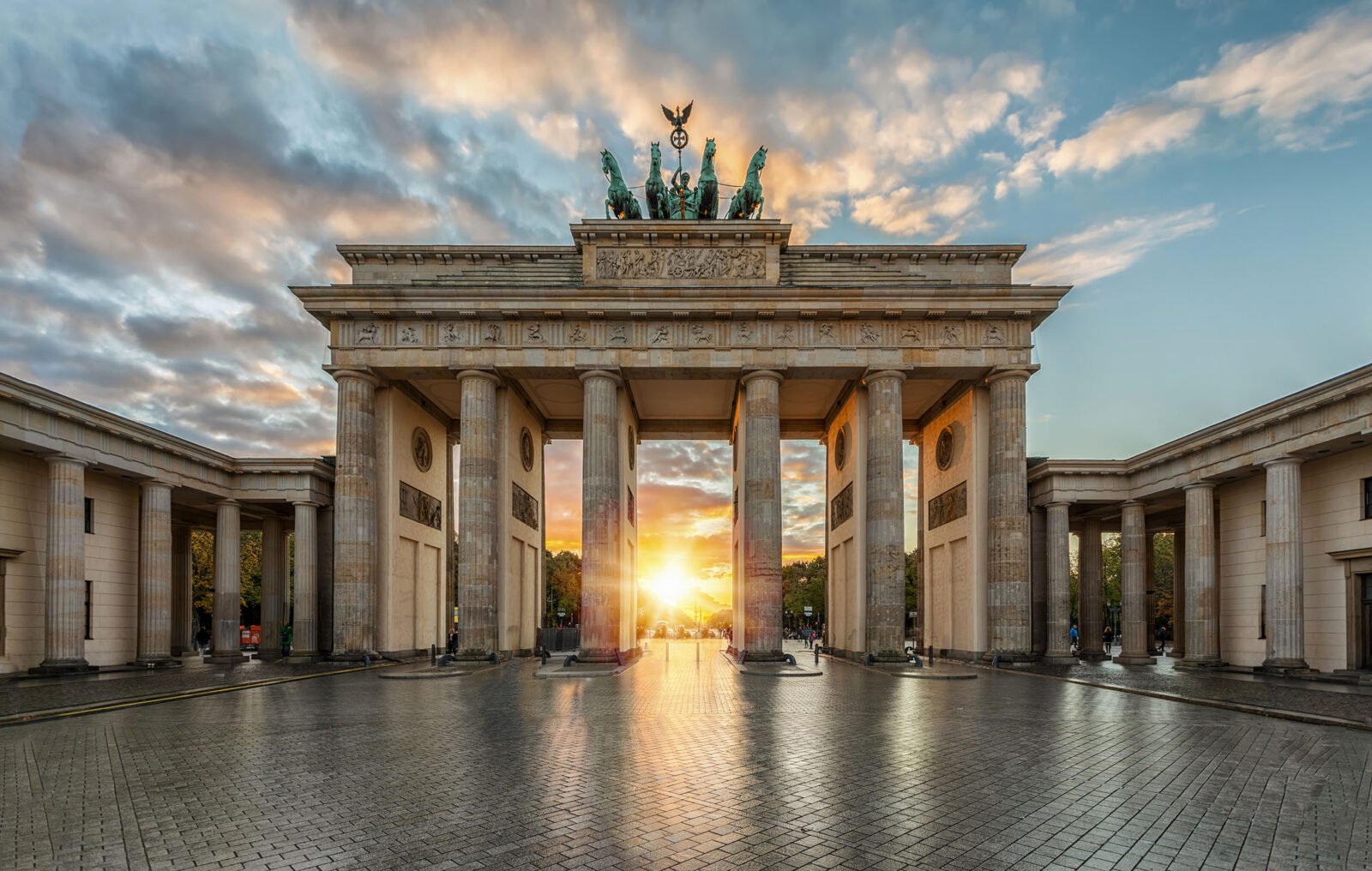
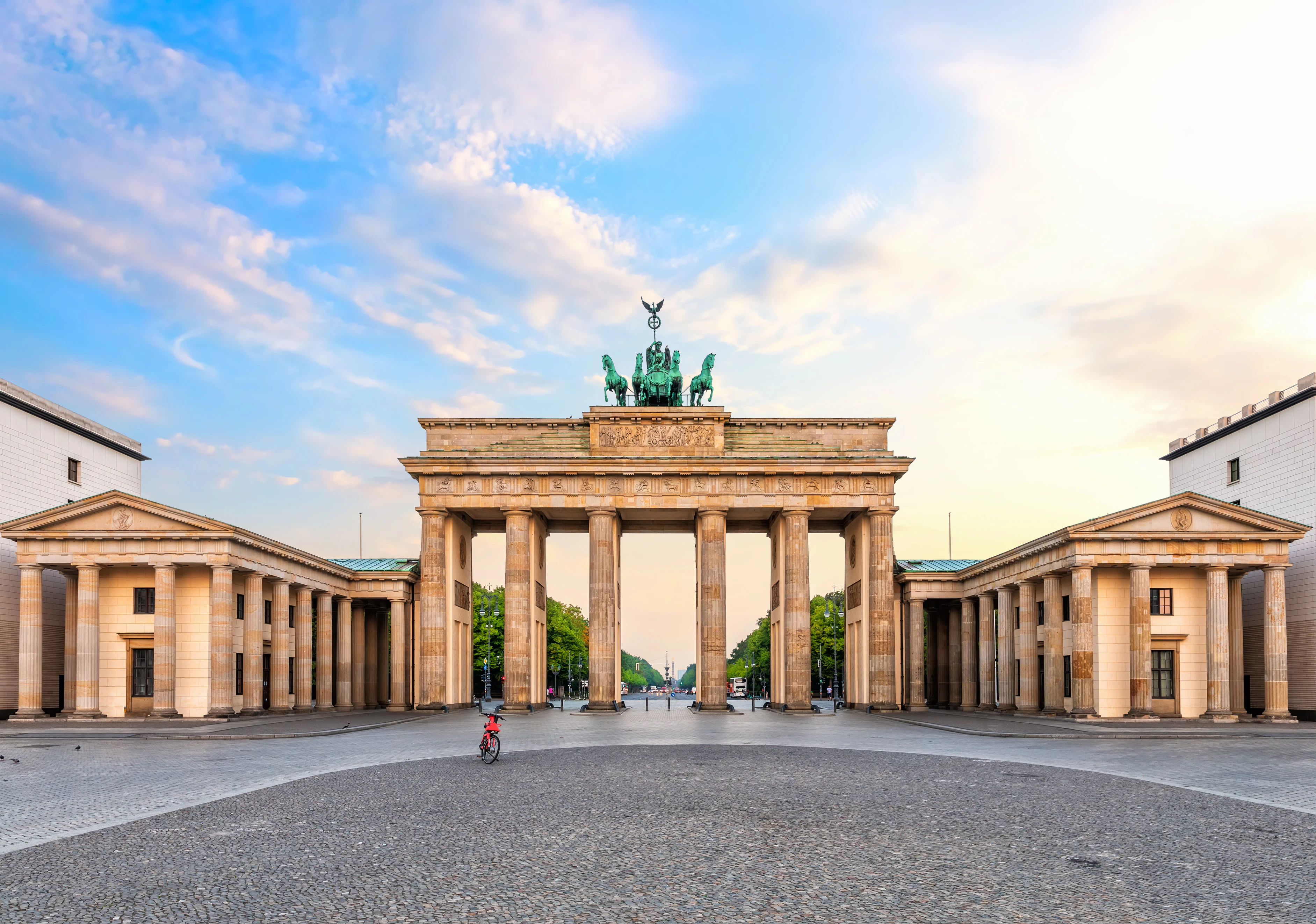
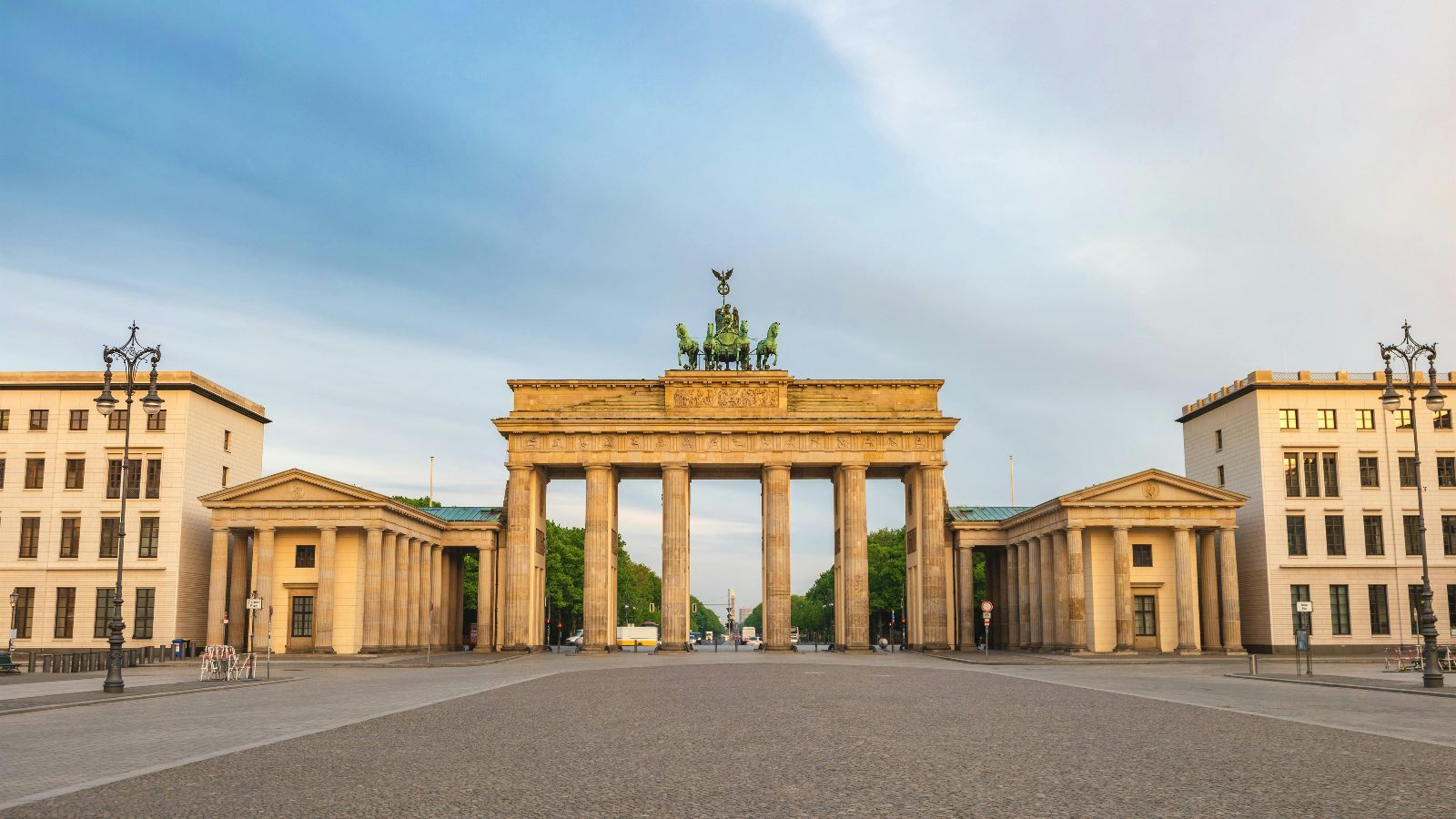
The 26-meter-tall neoclassical structure served as a central backdrop for 20th-century history
Brandenburg Gate
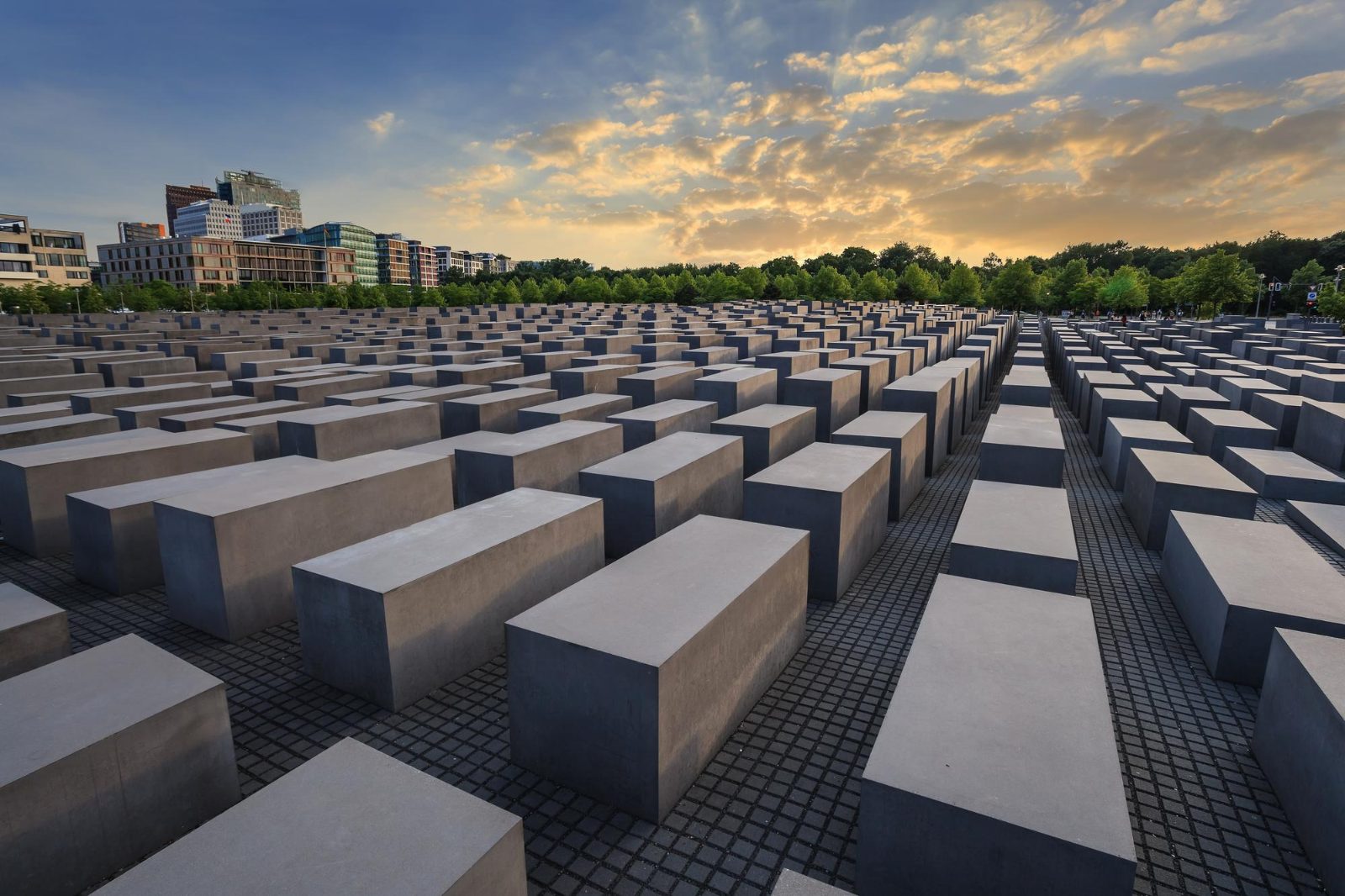
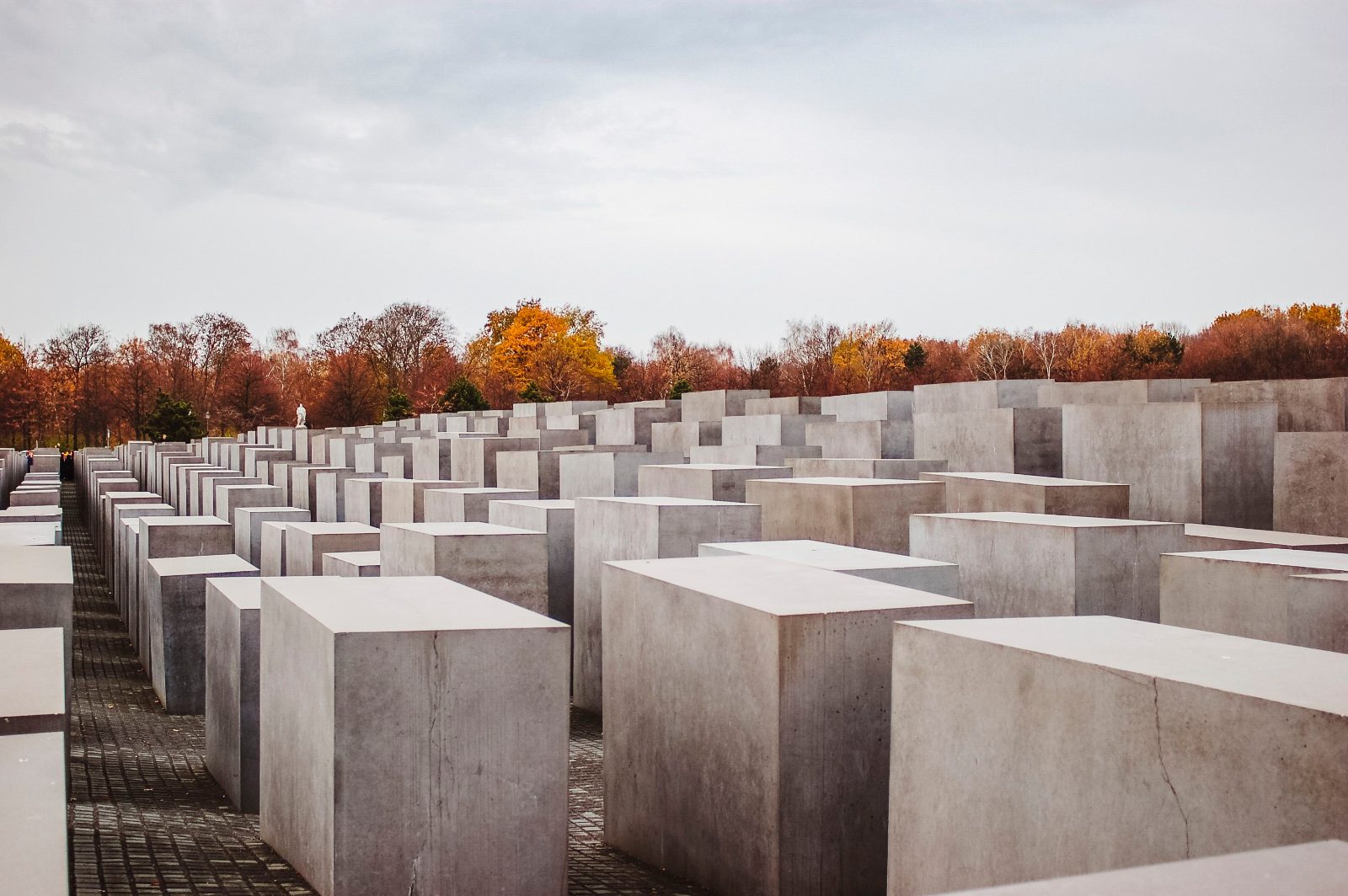
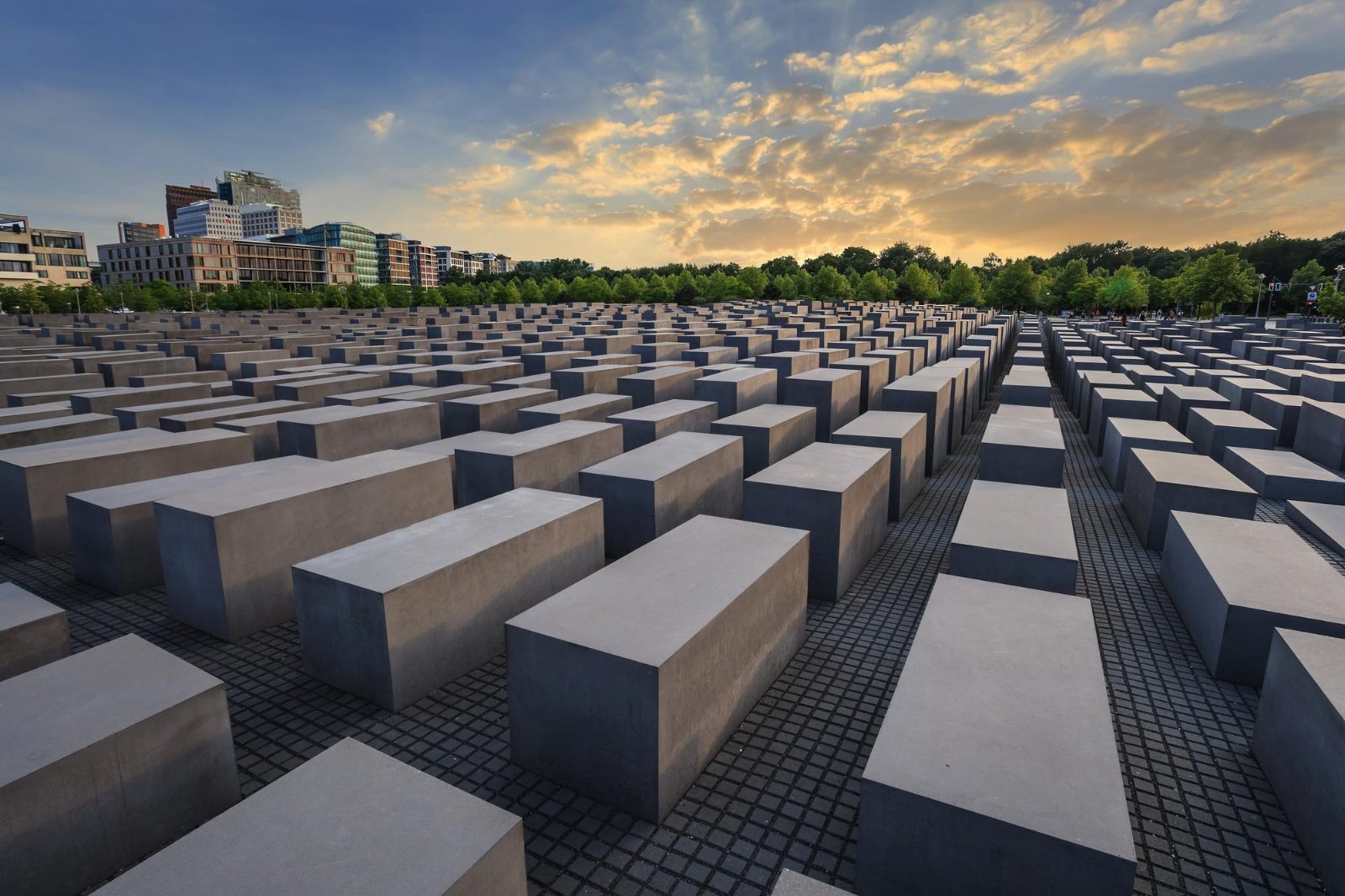
This site features 2,711 concrete stelae covering an area of 19,000 square meters
Holocaust Memorial
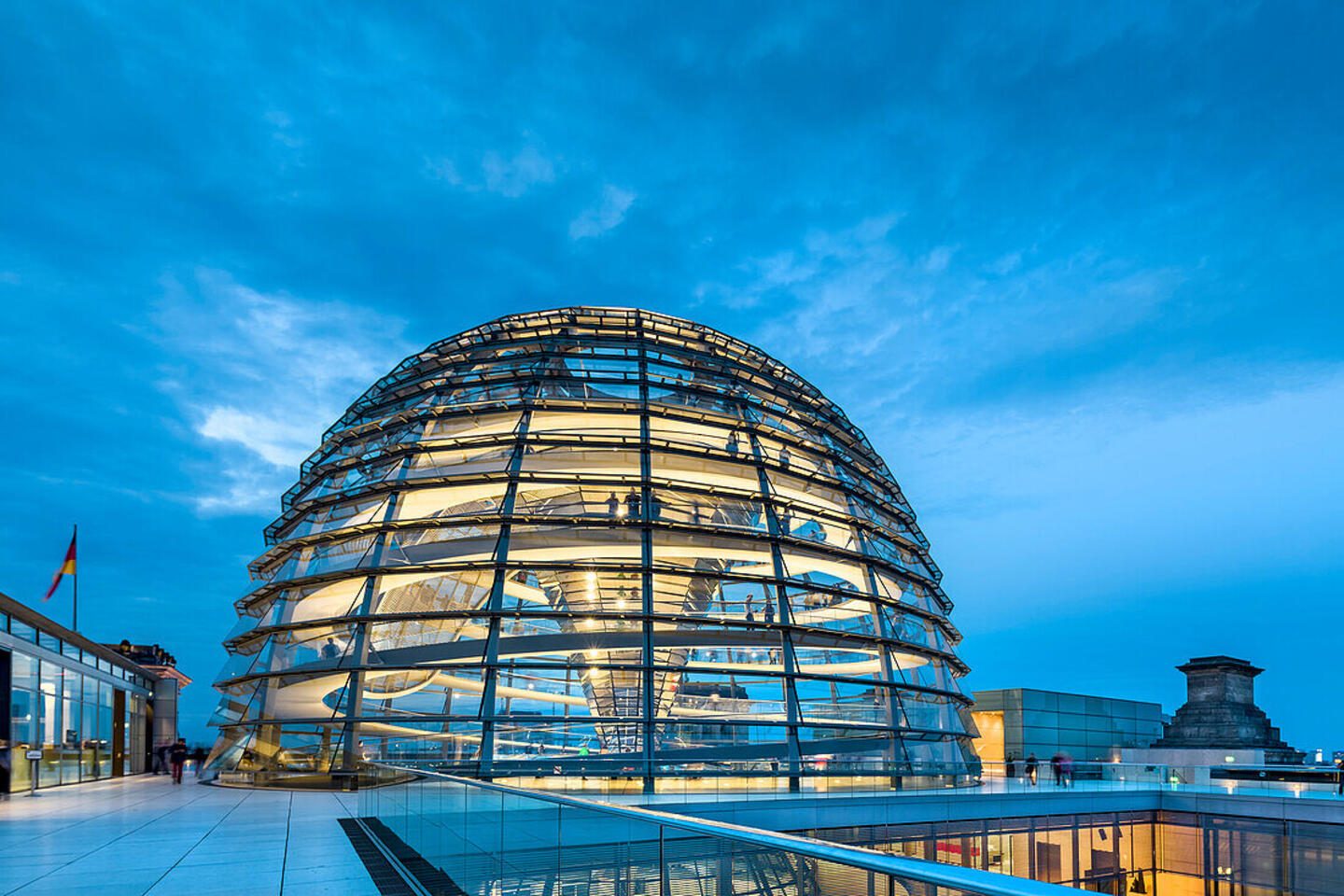
The building features a modern glass dome contrasting with its historic 1894 exterior
Reichstag Building Berlin
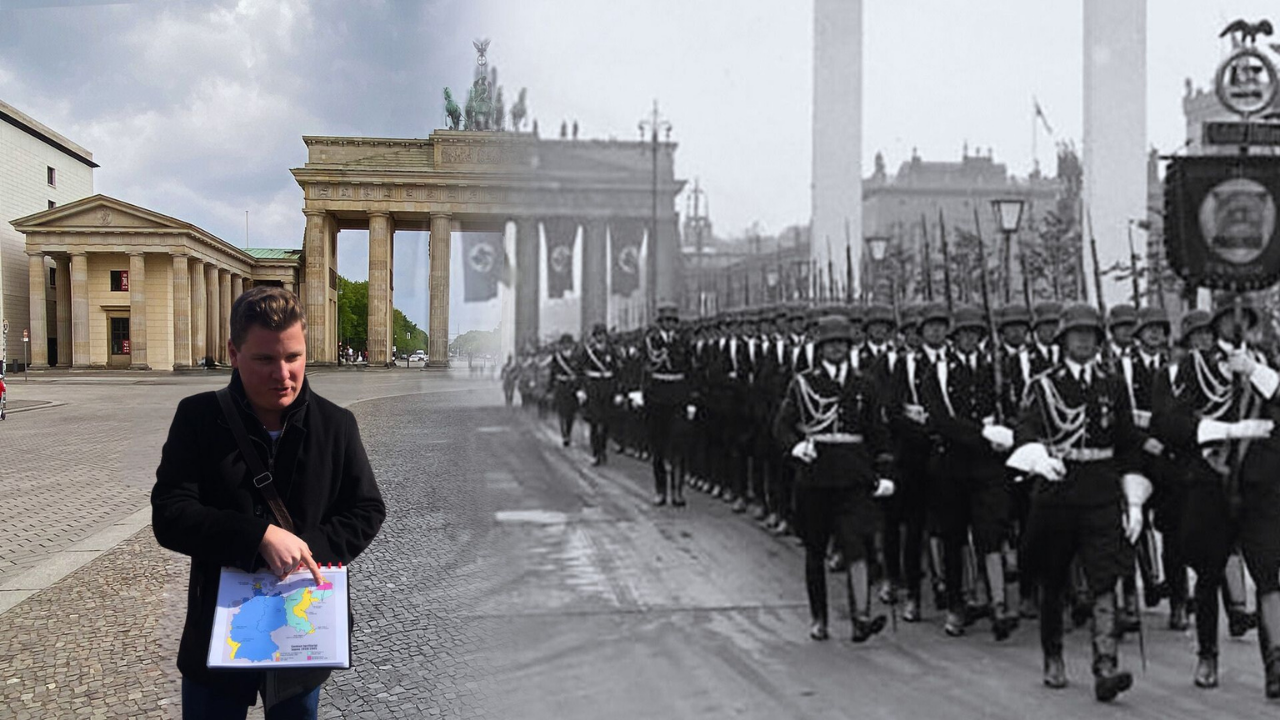
You meet your guide at Pariser Platz, the restored square fronting the Brandenburg Gate, where Nazi torchlight parades marked Hitler's appointment as Chancellor in January 1933. Within five minutes you stand before the Reichstag's western facade, its stonework still pockmarked by Soviet shelling in April 1945.
Your guide explains how the 1933 fire shifted blame to communists and enabled dictatorship through emergency decree.
You walk south along Ebertstraße to the Memorial to the Murdered Jews of Europe. The field of stelae disorients deliberately—pathways narrow, blocks rise to head height, and no central vantage point offers clarity. You descend into the underground information center, where letters, diaries, and transport lists document six million murders with bureaucratic precision.
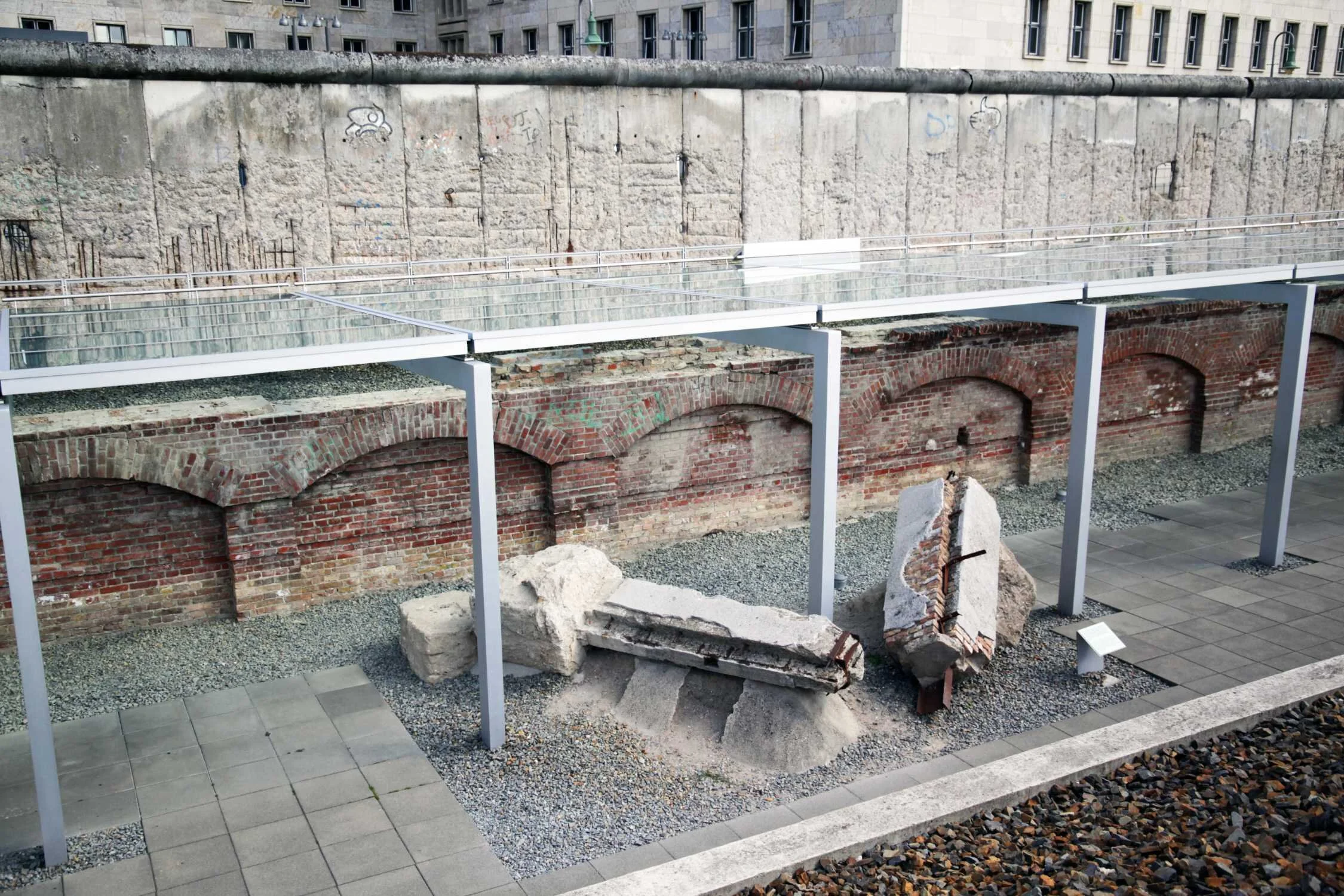
Crossing Wilhelmstraße, you reach the Topography of Terror, an open-air documentation center built over Gestapo cellars. Photographs show SS officers reviewing deportation lists; adjacent placards list camps, death tolls, and execution orders. Your guide pauses at the site of Hitler's bunker, now unmarked except for an information panel. You finish at Bebelplatz, where a glass floor reveals an empty underground library—Micha Ullman's memorial to the 20,000 books burned here in May 1933. The tour ends where ideology became policy, architecture became weapon, and memory became obligation.
All the details about your upcoming adventure in one place
Between 1933 and 1945, Berlin served as the administrative and symbolic heart of the Third Reich, a regime that systematically dismantled democratic institutions, orchestrated genocide, and launched the deadliest conflict in human history.
The city's Mitte district alone housed over thirty ministries, command centers, and propaganda offices, most within a fifteen-minute walk of one another. Albert Speer's grandiose urban redesign, intended to remake Berlin as "Germania," left fragments still visible today: the Olympic Stadium, the Air Ministry (now the Finance Ministry), and the remains of Hitler's bunker beneath a car park on Gertrud-Kolmar-Straße.
A berlin walking tour third reich follows the geography of power and persecution. The Reichstag, torched in February 1933, provided the pretext for the Enabling Act that ended parliamentary democracy. The New Reich Chancellery, completed in 1939 and demolished after the war, stood on Voßstraße; only its marble now lines Mohrenstraße U-Bahn station. The Topography of Terror, built over the former Gestapo and SS headquarters, documents the bureaucratic machinery of repression through photographs, decrees, and prisoner testimonies. Nearby, the Memorial to the Murdered Jews of Europe spreads 2,711 concrete stelae across 19,000 square meters, a field of disorientation that refuses monumental certainty.
These sites anchor berlin walking tour third reich tours that reconstruct how ideology reshaped urban space. Nazi architectural theory favored colossal neoclassicism to project permanence; postwar Berlin chose transparency and plurality. Norman Foster's glass dome atop the Reichstag, completed in 1999, inverts the old hierarchy—citizens walk above the parliamentary chamber, not below it. The government quarter, extending west along the Spree, mixes memorials with ministries, ensuring memory work remains central to civic life.
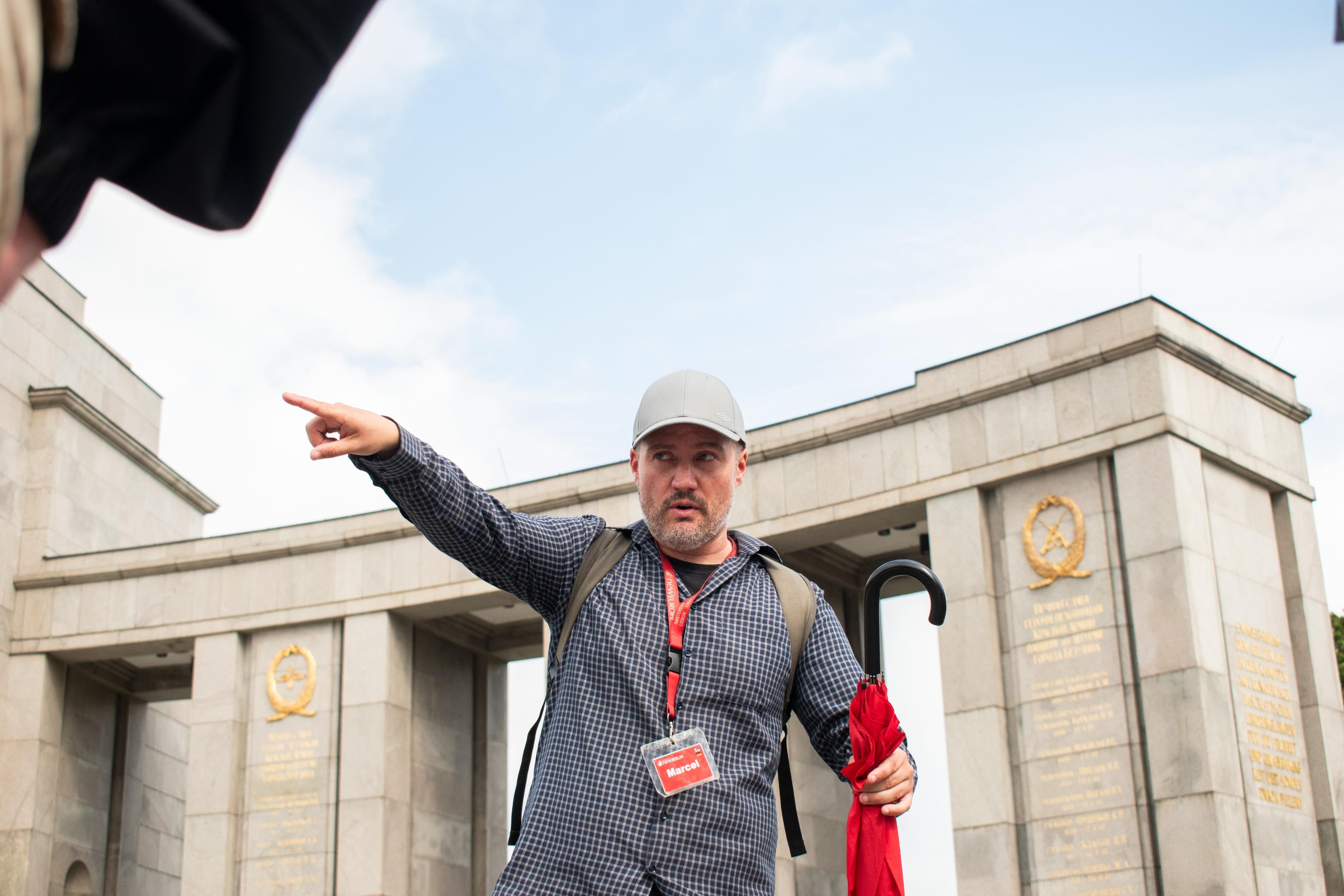
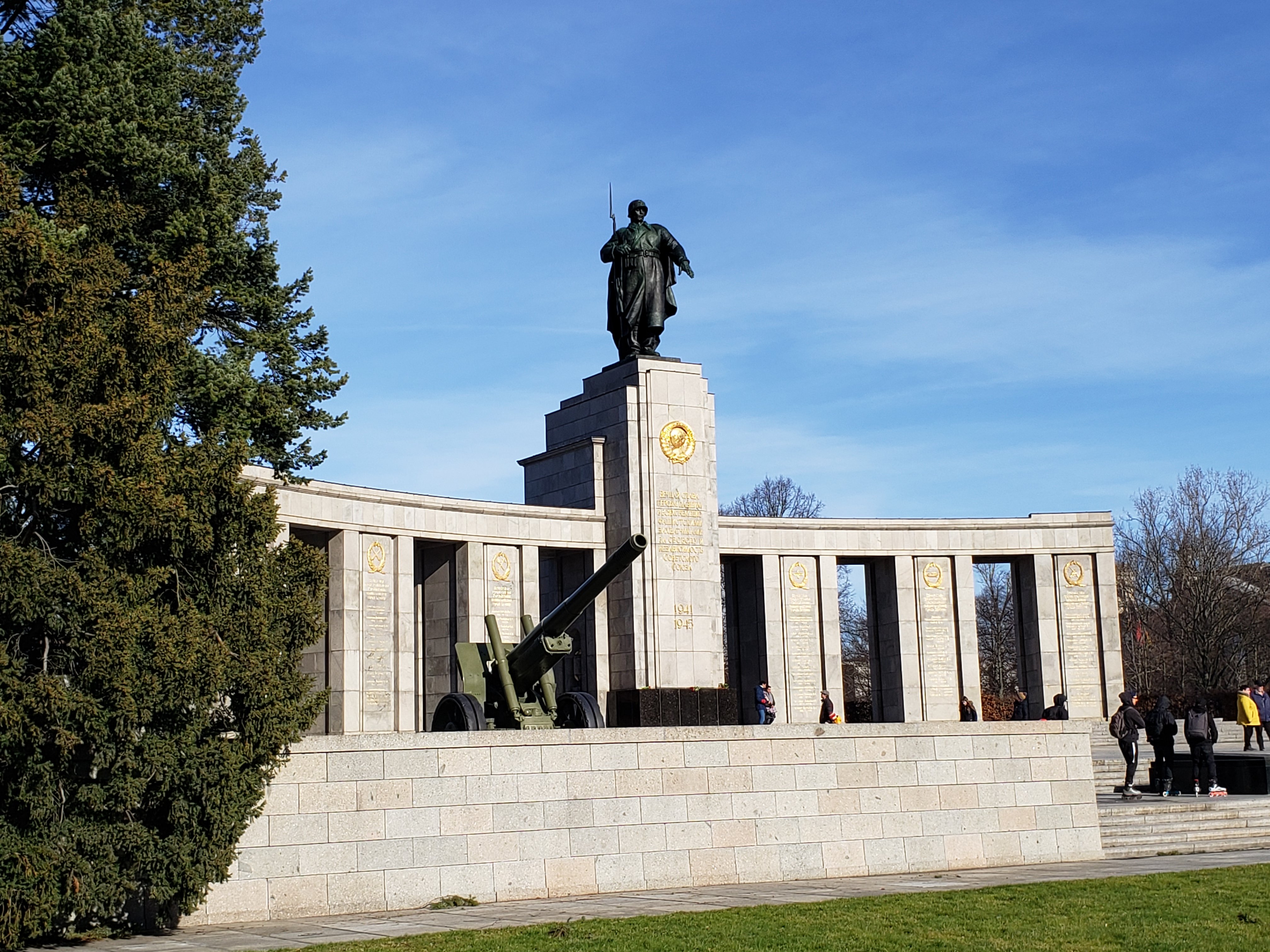
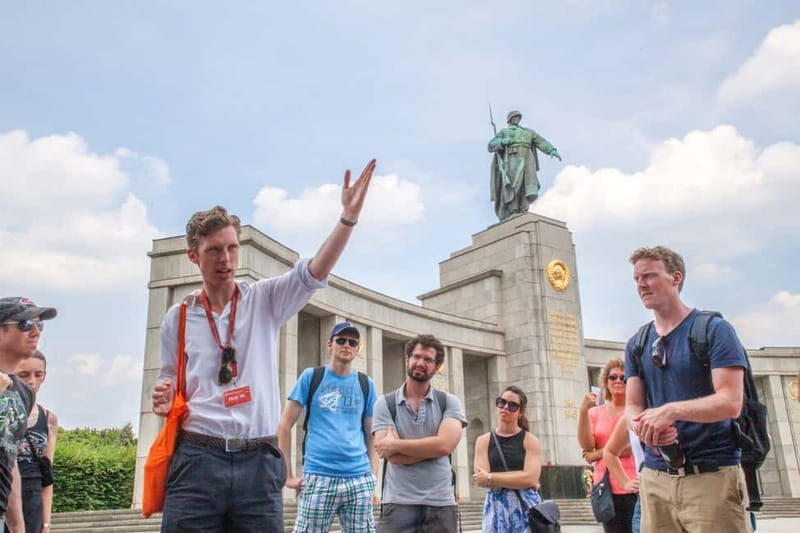
Guided third reich tours typically span three to four hours, beginning at Pariser Platz and looping through Wilhelmstraße, Niederkirchnerstraße, and Wilhelmplatz. Expert historians contextualize propaganda photographs, decipher architectural symbolism, and distinguish between original structures and reconstructions. The Holocaust Memorial, the Soviet War Memorial in Tiergarten, and the Bebelplatz book-burning site form a triangulated narrative of aggression, resistance, and consequence. Free walking tours exist, but professional guides with academic credentials offer depth that volunteer-led models rarely match.
Berlin's Third Reich sites do not sanitize or sentimentalize. They archive, juxtapose, and demand engagement. The city's commitment to confronting its past, encoded in law and urban planning since reunification, makes these tours both historical education and civic ritual.

Between 1933 and 1945, Berlin housed over thirty Nazi ministries within a fifteen-minute walk of one another.
Casual clothing and comfortable walking shoes are required for this berlin walking tour third reich tour.
Keep belongings compact as participants on any berlin walking tour third reich carry their own gear.
Photography is permitted at all public outdoor sites visited during the berlin walking tour third reich.
The berlin walking tour third reich is suitable for older children and students interested in German historical landmarks.
The route utilizes public sidewalks; mobility assistance is recommended for those requiring paved, flat navigation.
Carry water bottles for your Berlin landmarks excursion. Public outdoor spaces do not have restrictions on personal hydration.
Operating Hours
00:00–23:59
Address
Pariser Platz 1, 10117 Berlin, Germany
Tour Access
Walking tour route is public city space
Best arrival
09:00–10:00
Navigation
Pariser Platz serves as the primary meeting point
Public transport · Direct · 0 EUR
Use S-Bahn or U-Bahn to Brandenburger Tor station
Taxi · Variable · Varies by distance
Request drop-off at Pariser Platz
Full refunds are provided for cancellations made within the specified operator window. This applies to your berlin walking tour third reich tickets.
Recommended time
3 hours
A berlin walking tour third reich typically requires three hours to fully engage with key historic landmarks located near Pariser Platz 1, 10117 Berlin. We recommend the best arrival window of 09:00–10:00 to escape the midday heat and avoid the heavy foot traffic common at these sensitive sites. Exploring this chapter of German history through Berlin Third Reich tours is most effective when managed early, as popular city center paths become increasingly congested by early afternoon.
Crowd levels through the day
Weather · crowds · average price — dots go green to amber to red as each metric rises.
Mild temperatures make walking the city historical landmarks pleasant in April and May.
Expect peak crowds; the 09:00 morning arrival window is critical for comfort.
Cooler weather in September provides ideal conditions for walking tours.
Bring heavy layers as the berlin walking tour third reich occurs entirely outdoors.
Berlin weather fluctuates; ensure you have a light jacket for outdoor history walks.
The walking surface is extensive; prioritize comfortable shoes for this history experience.
Carry a bottle, as shopping options are limited during the focused walking segments.
Utilize the 09:00 arrival to minimize crowd density at key memorial sites.
Pariser Platz 1, 10117 Berlin
Look for guides near the Brandenburg Gate
Get directionsBerlin stood at the center of Germany's democratic experiment when the Weimar Republic emerged from the ashes of World War I in 1919. The city's boulevards, ministerial districts, and parliamentary chambers embodied the liberal order that the National Socialist German Workers' Party would systematically dismantle. Adolf Hitler became Chancellor on January 30, 1933, transforming Berlin from a cosmopolitan capital into the administrative core of a totalitarian state. The Reichstag fire on February 27, 1933, provided the pretext for emergency decrees that suspended civil liberties and enabled the regime's consolidation of power. Within months, the Enabling Act granted Hitler dictatorial authority, and Berlin's streets became stages for mass rallies, book burnings, and the visible erasure of political opposition. Albert Speer, appointed as General Building Inspector in 1937, began redesigning Berlin as Germania, a monumental capital intended to reflect Nazi ideology through architecture. The berlin walking tour third reich traces the physical remnants of this ambition: the former Reich Chancellery site, the Topography of Terror documentation center built on the Gestapo headquarters ruins, and the imposing Air Ministry building that survived Allied bombing. The regime's apparatus of persecution operated from these locations—Prinz-Albrecht-Straße housed the SS and Gestapo command structure where political prisoners were interrogated and deported. The Memorial to the Murdered Jews of Europe, dedicated in 2005, now occupies land near Hitler's bunker site, a landscape transformed from command center to site of remembrance. Berlin walking tour third reich tours navigate the tension between destruction and preservation. The Soviet assault in April 1945 left the city in ruins, with strategic bombing and ground combat obliterating much of the Nazi architectural legacy. Post-war Berlin became a divided city, with East and West Germany approaching Third Reich memory differently—the East emphasized anti-fascist resistance while the West grappled more slowly with complicity and genocide. Reunification in 1990 enabled a unified historical narrative, and contemporary berlin walking tour third reich tickets grant access to sites where documentation, excavation, and memorial design confront visitors with the regime's crimes. The city's urban fabric retains few Nazi-era structures intact, yet the guided historical walks transform surviving buildings, empty lots, and memorial installations into a coherent narrative of dictatorship, war, and reckoning.
The Weimar Republic establishes Berlin as the capital of Germany's first democratic government.
Adolf Hitler becomes Chancellor on January 30, initiating the rapid transformation of Berlin into the Nazi regime's administrative center.
Albert Speer begins planning Germania, the monumental redesign of Berlin intended to embody Nazi ideology through architecture.
The Gestapo and SS operate from Prinz-Albrecht-Straße, coordinating the persecution and deportation of political prisoners and Jews across occupied Europe.
Soviet forces capture Berlin in April, leaving the city heavily damaged and ending Nazi rule.
The Berlin Wall divides the city, with East and West Germany developing separate approaches to Third Reich memory and commemoration.
German reunification enables a unified narrative, leading to the construction of major memorials including the Memorial to the Murdered Jews of Europe.
The Memorial to the Murdered Jews of Europe opens near the former Führer bunker site, establishing a central space for Holocaust remembrance in reunified Berlin.
Stand within the grid of concrete stelae to capture the interplay of shadows and vertical lines. The varying heights create a rhythmic composition for a berlin walking tour third reich perspective.
Position your camera to frame the modern glass cupola against the sky or looking down into the debating chamber. This landmark provides a contrast to historical themes found on a berlin walking tour third reich tour.
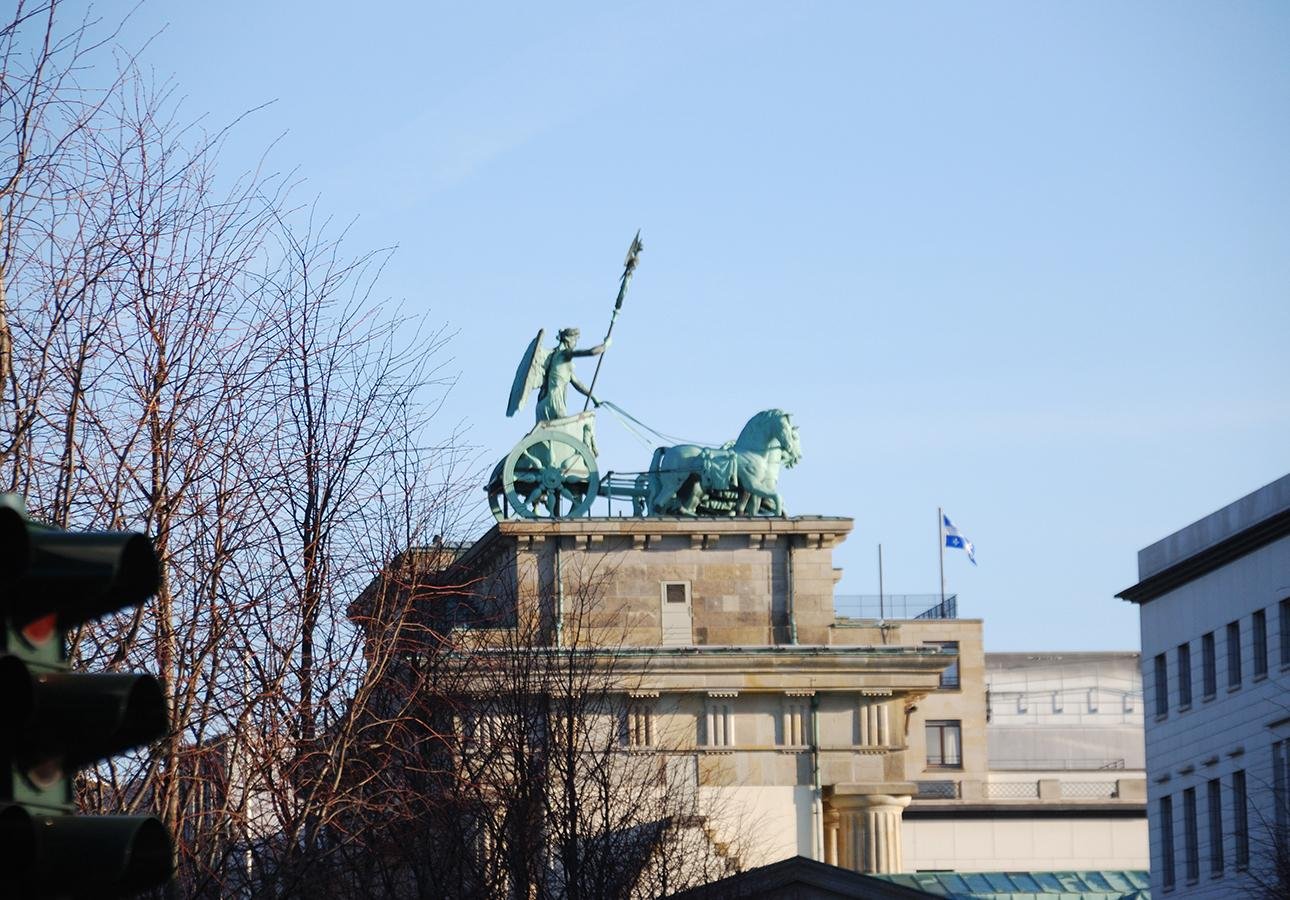
Stand on the Pariser Platz side to capture the neoclassical columns and the Quadriga sculpture. This iconic site is a common starting point for a berlin walking tour third reich tours.
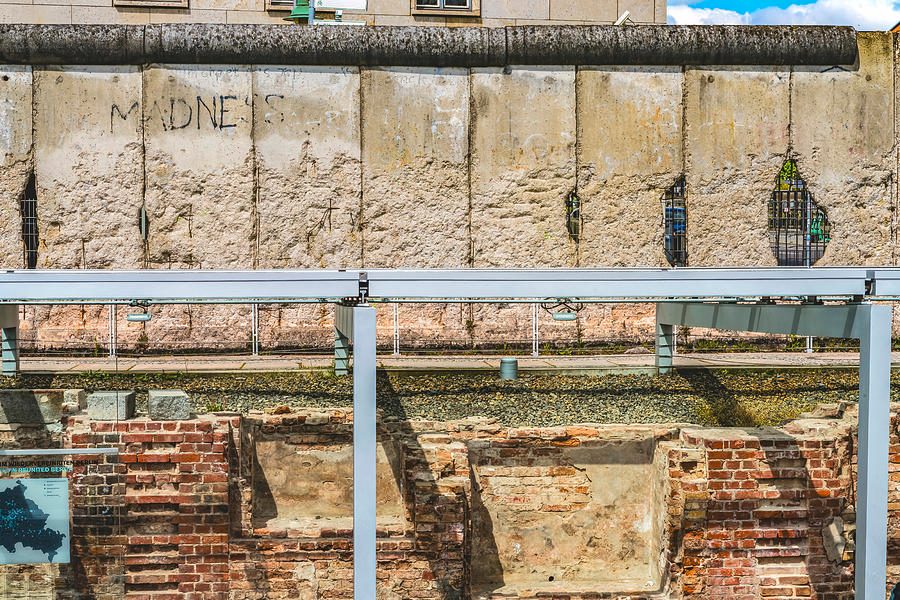
Capture the remaining segments of the Berlin Wall and the trench revealing cellar foundations of former Gestapo headquarters. The rugged textures offer a sobering subject for those seeking official berlin walking tour third reich tickets.
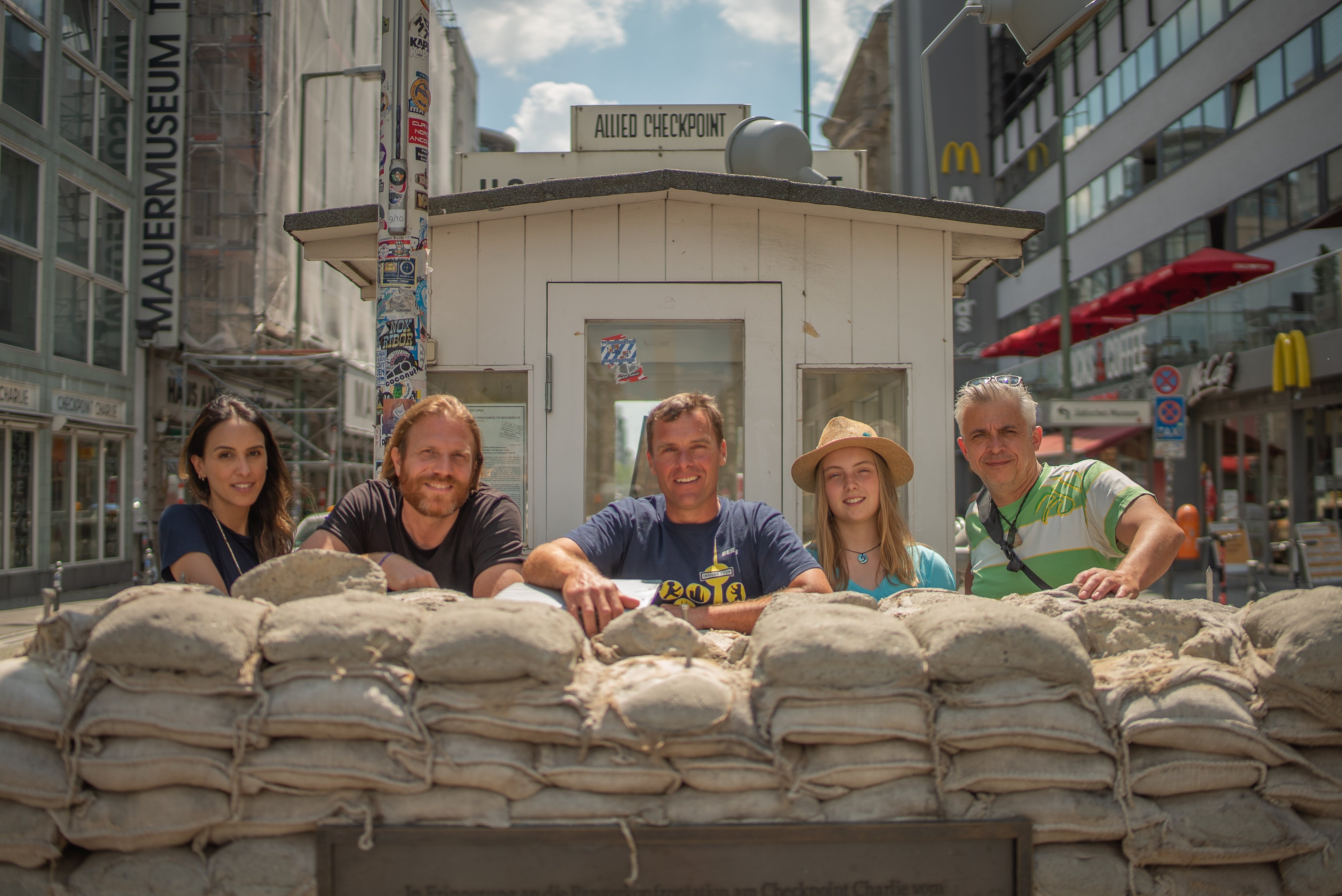
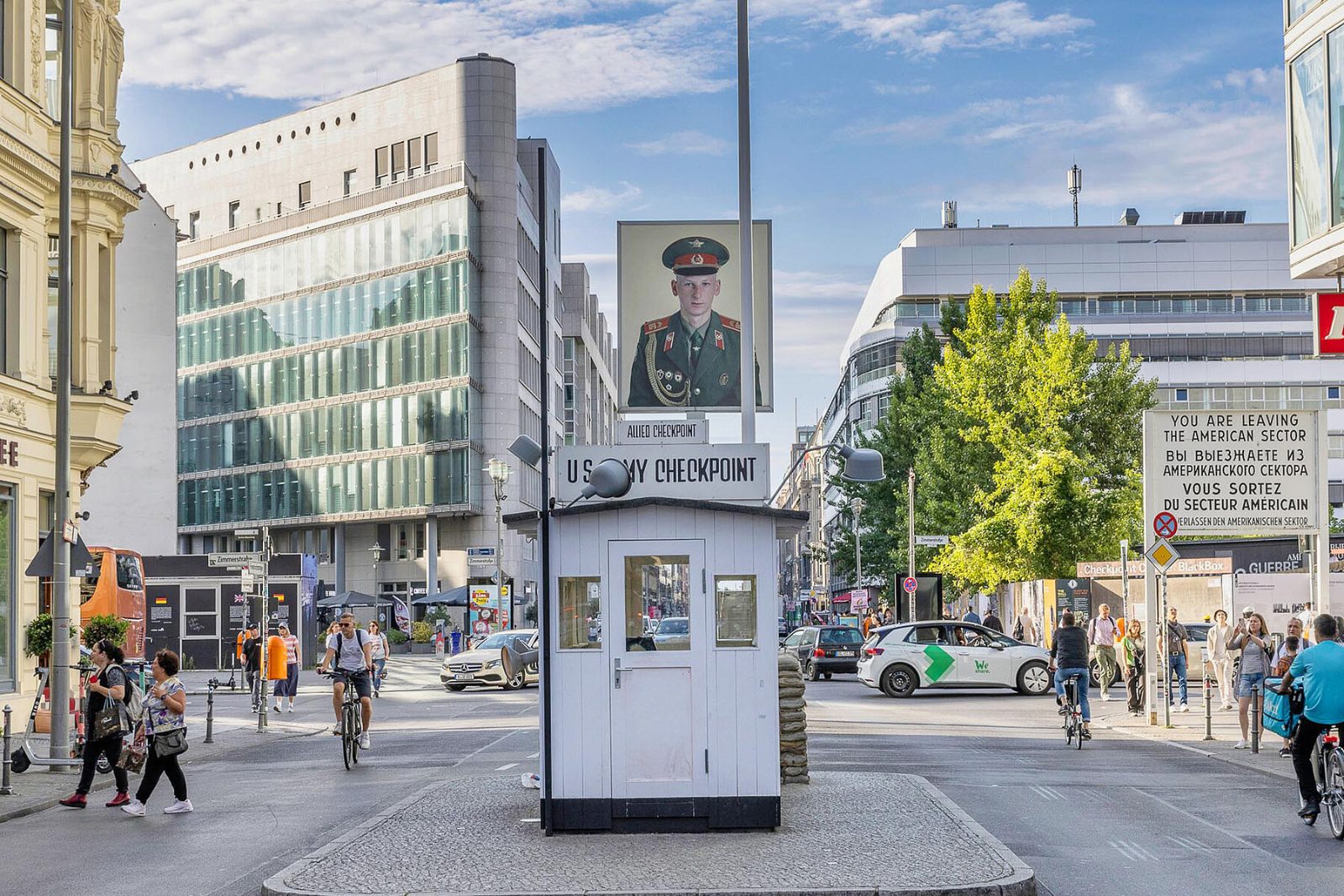
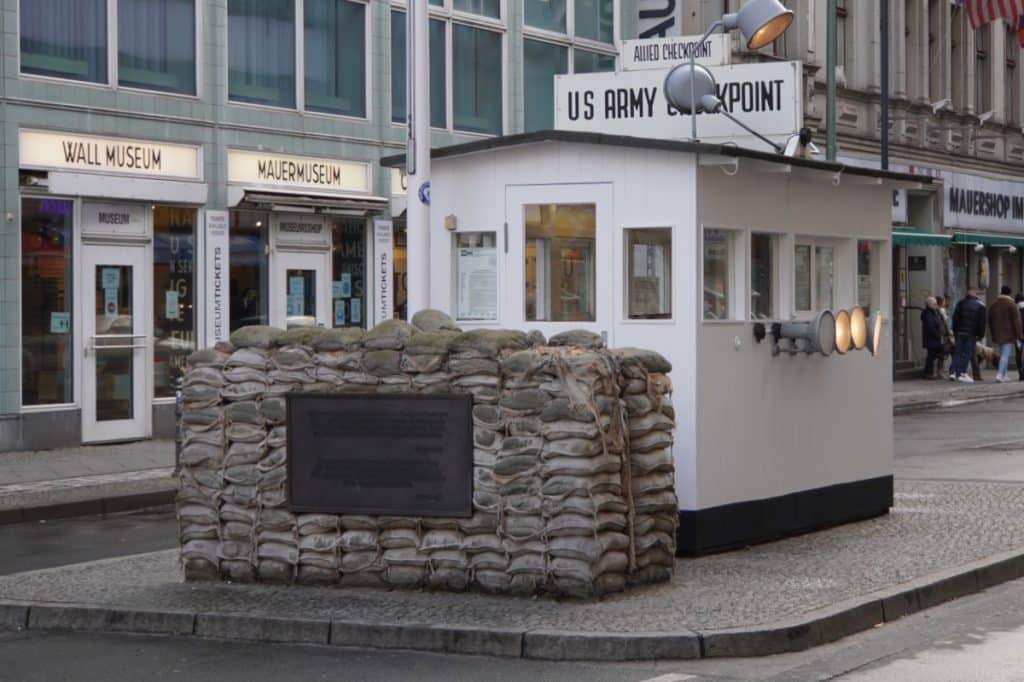
Frame the guard house replica with the contrast of modern commercial surroundings. Focus on the signage and military checkpoints that defined the Cold War transition.
Engaging in a berlin walking tour third reich provides a sobering look at history that benefits from careful pacing when exploring with younger travelers. These Berlin landmarks are best navigated by focusing on visual observation to help students grasp the scale of the city's complex past.
The route follows public sidewalks and flat urban terrain, making it fully accessible for strollers and wheelchairs alike.
We recommend this experience for ages 12 and up, as the narrative involves mature themes and prolonged outdoor attention.
As this is a walking tour, there are no private restrooms; you will need to plan stops at nearby public facilities or cafes.
The tour requires significant time on foot across central areas, so we advise arriving between 09:00–10:00 to manage your energy levels.
Entrance fee: 0 EUR (Free entry; this is a walking tour, not a fixed venue.) ensures flexibility for family budgets.
The journey begins at Pariser Platz 1, 10117 Berlin, Germany, which serves as a central hub for many berlin walking tour third reich tours.
Finding quality sustenance near your berlin walking tour third reich meeting point at Pariser Platz is straightforward, as the area hosts several established cafes and bistros. These venues cater to history enthusiasts looking for quick refreshments before starting their Berlin landmarks exploration.
Located near the Brandenburg Gate, this classic Viennese-style cafe is ideal for a coffee and light pastry before your berlin walking tour third reich tour begins. It offers a refined atmosphere away from the busy street crowds.;Ständige Vertretung
Everything you need to know for your journey
The entrance fee is 0 EUR as this is a walking tour, not a fixed venue.
Advance booking for berlin walking tour third reich tickets is recommended to secure a guide.
The tour operates daily, accessible from 00:00–23:59.
The content of the berlin walking tour third reich is best suited for adults and older students.
The route uses city streets; mobility access depends on public pavement maintenance.
Small bags are fine, but large luggage is not suitable for a walking tour.
Photography is encouraged at all outdoor locations during your berlin walking tour third reich.
The tour typically continues in light rain; prepare with appropriate gear.
Arriving between 09:00–10:00 is recommended to avoid peak heat and weekend crowds.
There are no formal stops, but you will pass several cafes in the city center.
Concrete slab field commemorating Holocaust victims
Historical seat of the German parliament
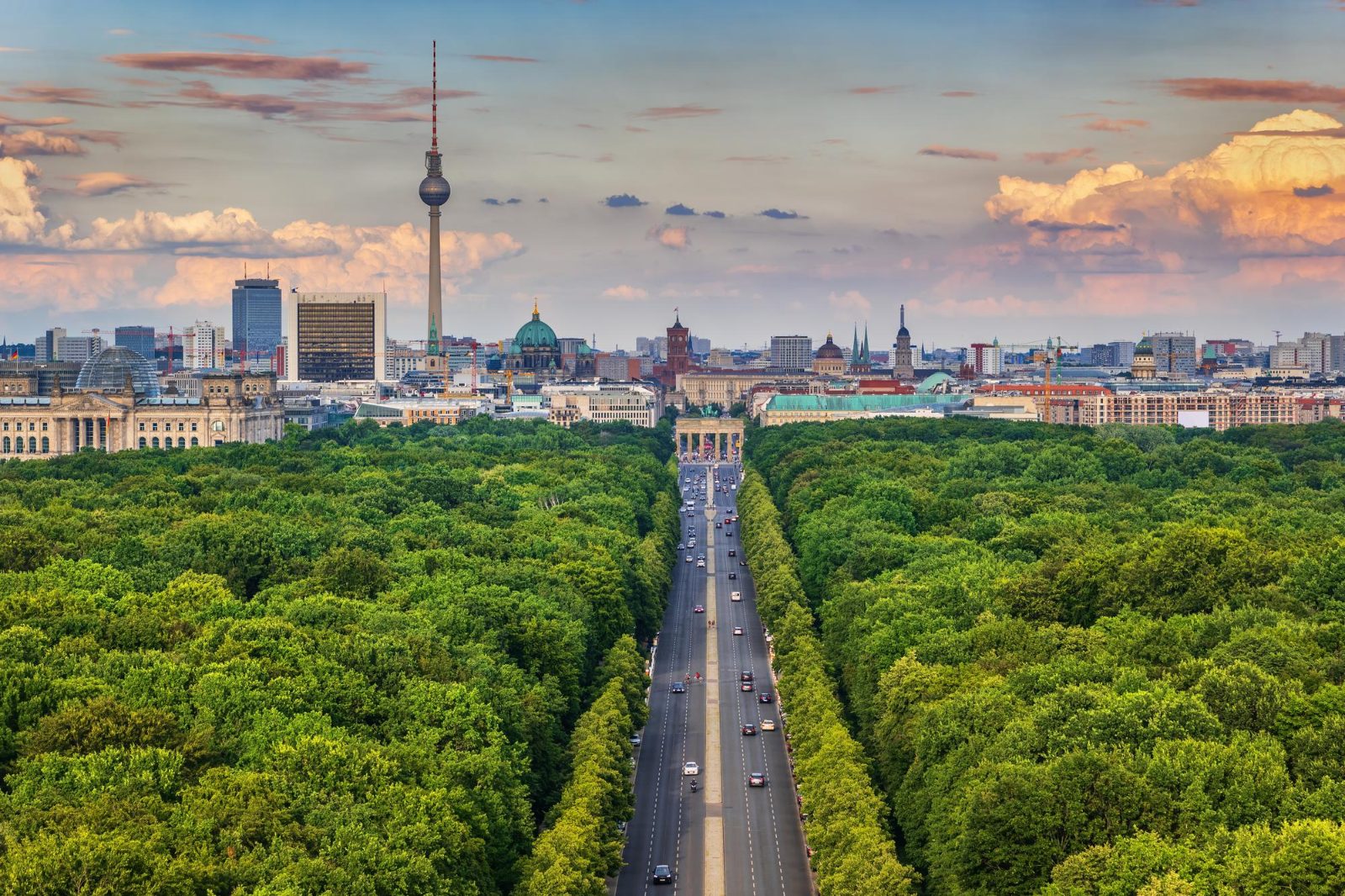
Expansive central park offering shade
Historical border crossing point
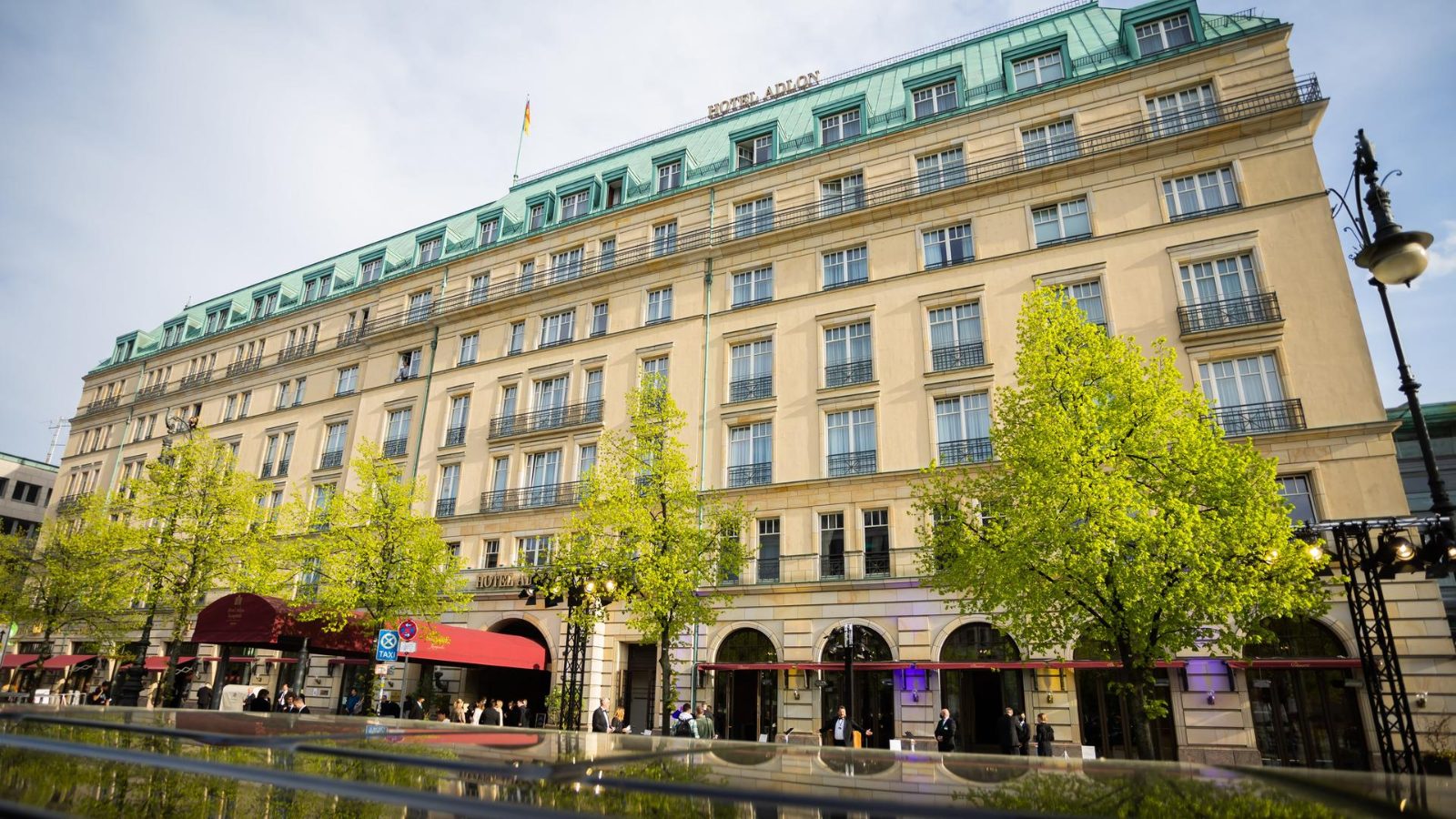
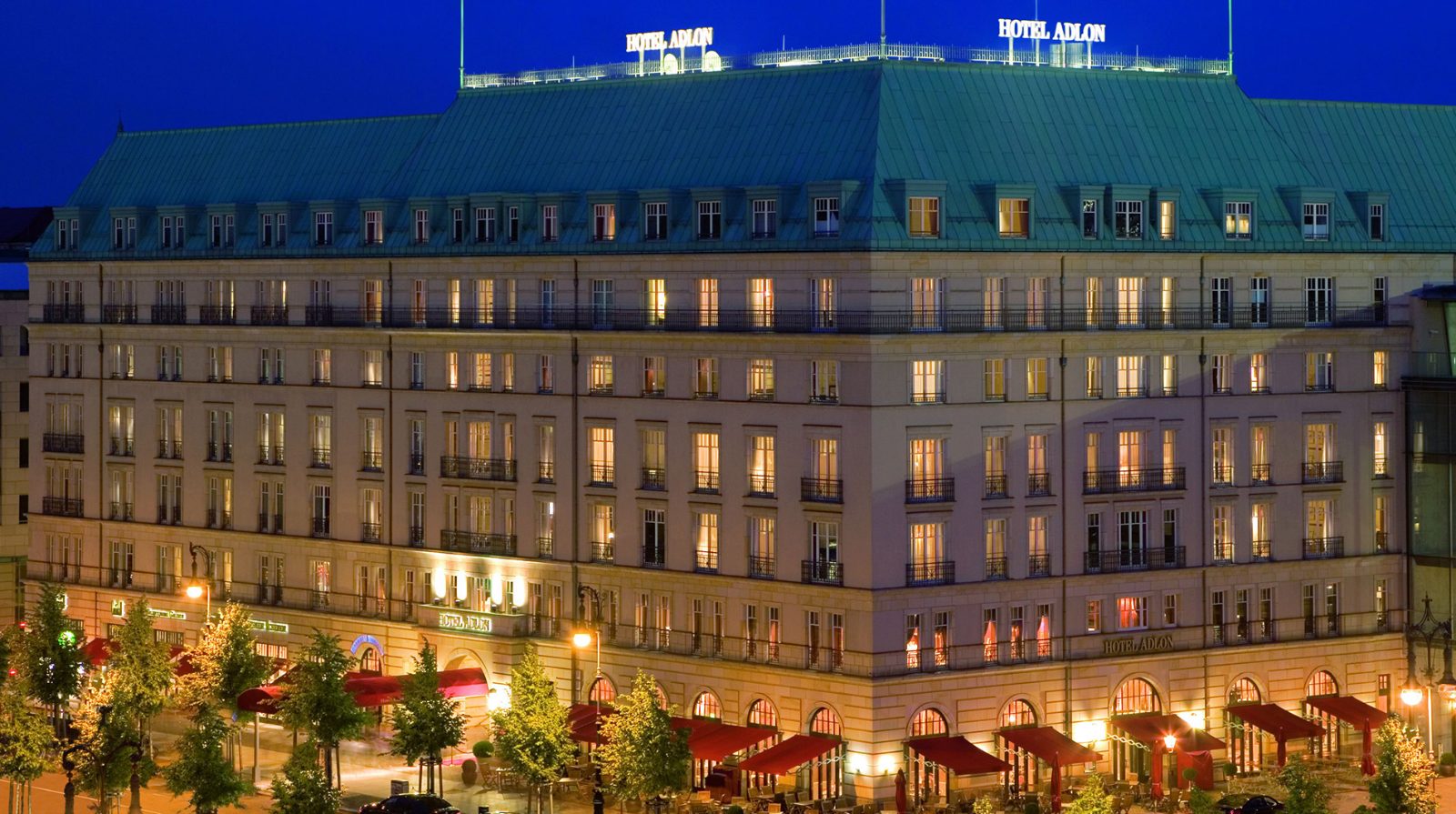
Iconic historic hotel near Brandenburg Gate
Multiple options located near Friedrichstraße
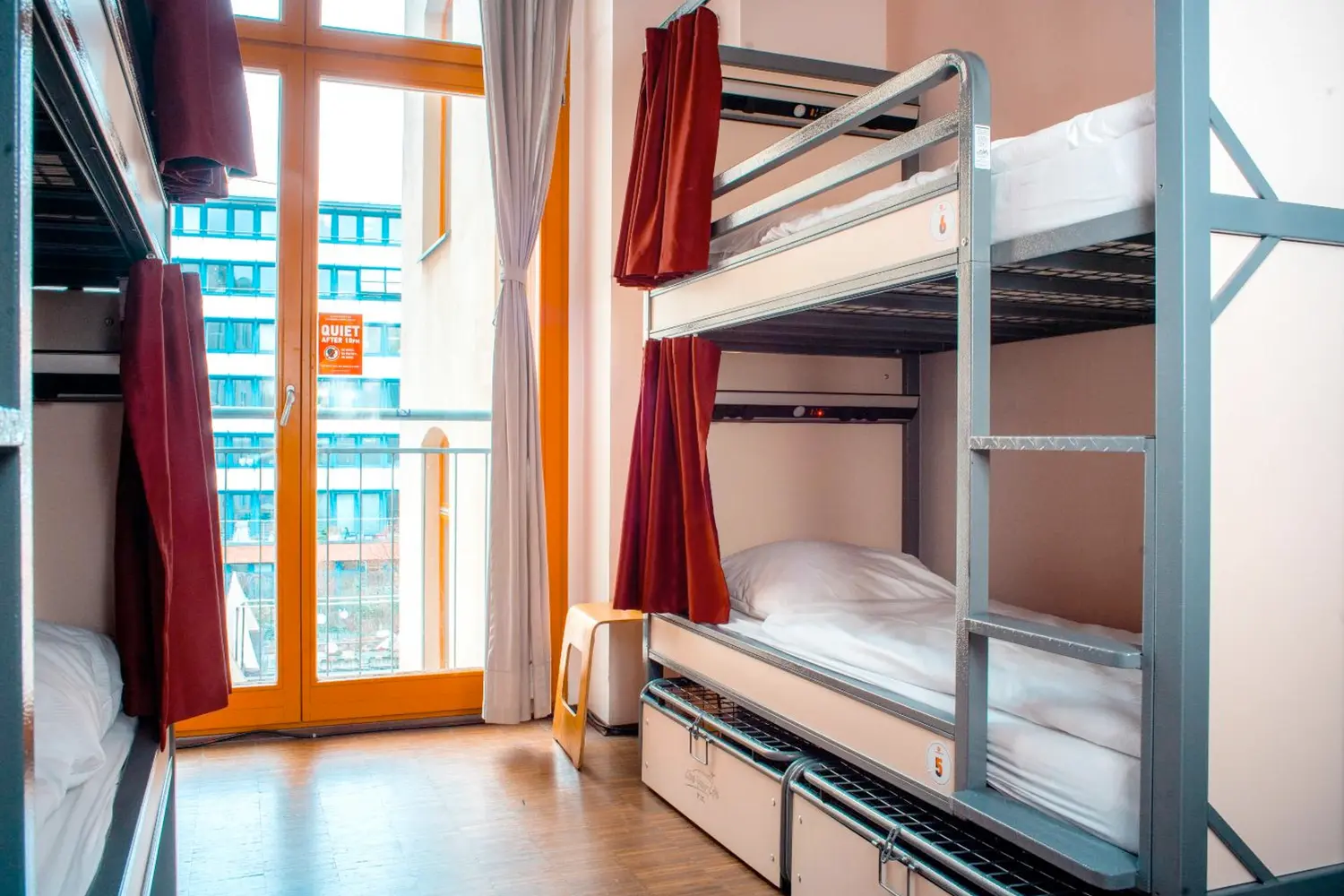
Affordable options situated in Berlin Mitte
Join thousands of happy travelers who have discovered this incredible experience
Book Your Experience Now